
Blog
What to Expect at a Home Inspection in Virginia
October 6, 2026
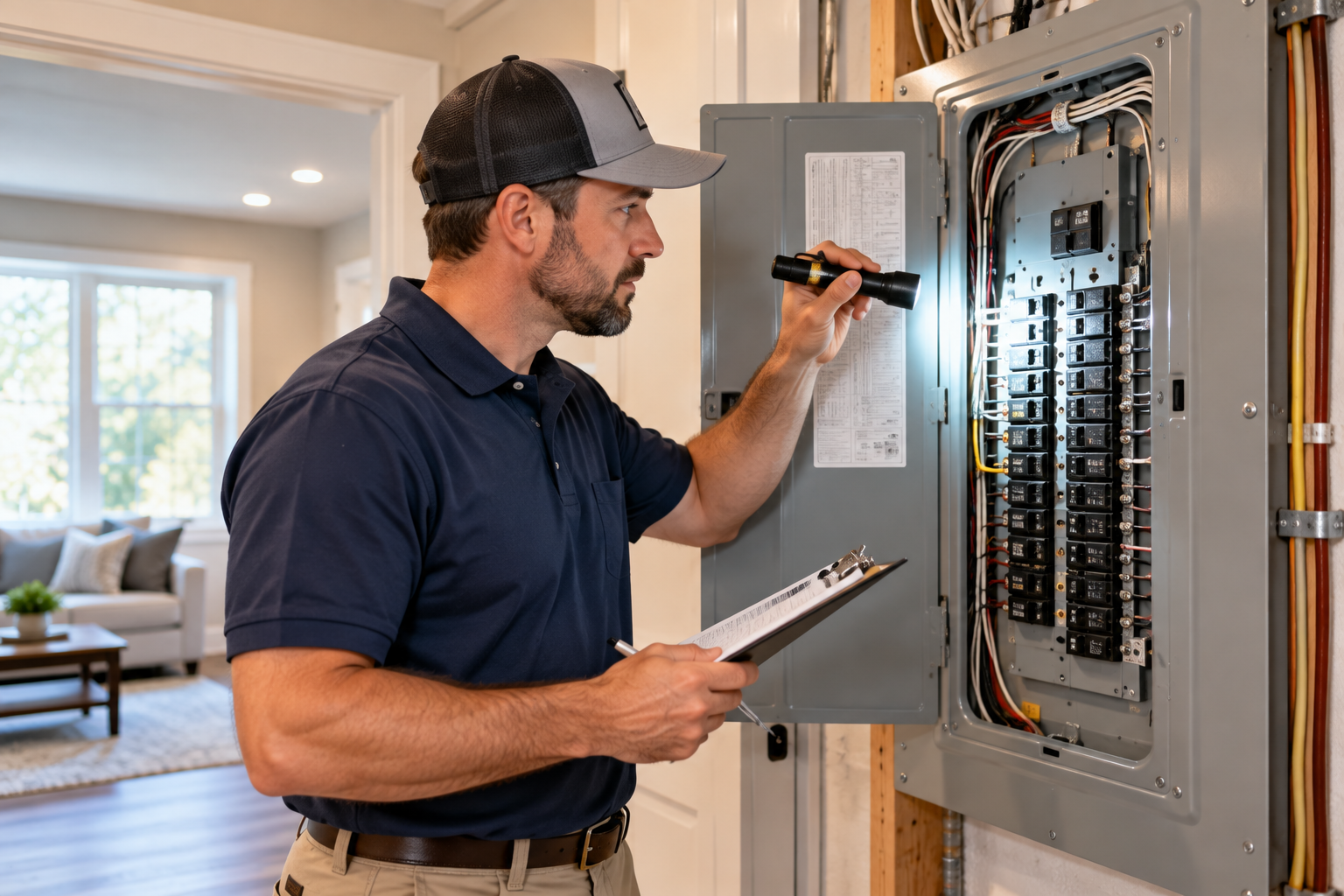
The home inspection is one of the most important steps in buying a house, yet it’s also one of the least understood. If you’re buying in Prince William County, Virginia, knowing what happens during an inspection — and what to do with the results — can save you from expensive surprises and give you real negotiating power. This guide walks you through the process step by step, in plain English.
What a Home Inspection Actually Is
A home inspection is a visual assessment of a property’s condition, performed by a licensed inspector who looks at the home’s major systems and structure. It’s not a pass-or-fail test, and it’s not the same as an appraisal. The inspection is for you — the buyer — to understand what you’re purchasing before the sale becomes final.
In Virginia, home inspections are typically scheduled after your offer is accepted, during the contingency period. This is your window to identify issues, ask questions, and negotiate with the seller if something significant turns up.
What Inspectors Check
A thorough inspector examines the home from roof to foundation. The major areas include the roof and attic, the foundation and structural components, the electrical system, plumbing, heating and cooling, and the interior walls, ceilings, and floors. They’ll also check windows, doors, and major appliances where visible.
Inspectors focus on visible, accessible conditions. They can’t see inside walls or predict the future, but they can spot signs of water damage, faulty wiring, aging systems, and deferred maintenance that would otherwise go unnoticed.
Common Findings in Virginia Homes
Every home has at least some findings, and most are minor. Common issues in Virginia homes include aging HVAC systems, worn roof shingles, minor electrical issues like ungrounded outlets, and cosmetic concerns. Older homes may show signs of settling or older plumbing materials.
The presence of findings is not a reason to panic — it’s a reason to be informed. What matters is distinguishing routine maintenance items from significant defects. A serious foundation crack or active water intrusion is a different conversation from a loose doorknob.
How to Use the Report
After the inspection, you’ll receive a detailed written report, usually with photos and descriptions of each finding. Review it carefully with your agent. Some findings are informational only; others are worth negotiating. You may ask the seller to repair certain items, provide a credit at closing, or adjust the price.
Your agent can help you decide which requests are reasonable and which are likely to derail the deal. The goal isn’t a perfect house — it’s an accurate understanding of what you’re buying and a fair negotiation around any material issues.
What Happens If a Big Issue Turns Up
If the inspection reveals a significant problem — a failing roof, a compromised foundation, or major water damage — you generally have a few options. You can negotiate repairs or a credit, ask the seller to address the issue, or, in serious cases, walk away from the deal using your inspection contingency.
This is where having a local agent really pays off. An experienced agent knows which issues are dealbreakers, which are negotiable, and how to structure a request so it’s more likely to be accepted. You should never feel pressured to accept a major defect you’re uncomfortable with.
Choose Your Inspector Wisely
Not all inspectors are equally thorough. Look for a licensed Virginia inspector with strong reviews and experience with the type of home you’re buying. Your agent can recommend trusted inspectors who have worked with Prince William County-area buyers before.
Plan to attend the inspection if you can. Walking through the home with the inspector is the best way to understand the findings firsthand, ask questions in the moment, and learn how to maintain your new home after closing.
The Difference Between an Inspection and an Appraisal
Buyers often confuse these two steps, but they serve entirely different purposes. A home inspection is a condition assessment done for your benefit — it tells you what’s working, what’s worn, and what might need attention. An appraisal, by contrast, is a valuation ordered by the lender to confirm the home is worth the loan amount.
Both happen during the same general timeframe, but they answer different questions. The inspection asks, ‘What condition is this home in?’ The appraisal asks, ‘What is this home worth?’ Understanding the difference helps you interpret each result correctly.
What the Inspection Does Not Cover
It’s important to understand the limits of a standard inspection. It’s a visual, non-invasive review of accessible areas. An inspector won’t move furniture, cut into walls, or test every outlet in the home. Some specialized concerns — like a full pest inspection, radon testing, or a sewer line scope — are separate services you may want to order depending on the home’s age and location.
If you have specific concerns about a property, ask your agent which additional inspections are worth considering. In some cases, a specialized inspection can catch an issue a general inspection might miss.
Should You Attend the Inspection?
Whenever possible, yes. Attending lets you see the home through the inspector’s eyes, ask questions as issues come up, and get maintenance tips you’ll use for years. You don’t need to follow the inspector into every crawlspace, but being present for the summary walkthrough is genuinely valuable.
How Long the Whole Process Takes
From scheduling to final report, the inspection process usually spans a week or less. The inspection itself takes a few hours, and you’ll typically receive the written report within a day or two. From there, your agent will help you review the findings and decide on any negotiation, which usually needs to happen within the inspection contingency window spelled out in your contract.
Because that window is often short, it helps to line up your inspector early and be ready to review the report promptly when it arrives. Delays in responding to findings can weaken your negotiating position.
Questions Worth Asking Your Inspector
A good inspection is a conversation, not just a form. When you’re on-site or reviewing the report, ask questions like: ‘Which of these findings are safety concerns versus cosmetic?’, ‘What would you fix first if this were your home?’, and ‘Is there anything here that suggests a larger underlying problem?’
Inspectors can’t always elaborate beyond the report, but many are glad to prioritize their findings and offer practical maintenance guidance. That context is often more useful than the raw list of observations.
Plan for Follow-Up If Needed
If the report flags a specific system — say, an aging roof or an electrical panel — you may want a specialized contractor or second opinion before committing. Your agent can recommend trusted local professionals who can give you a more detailed estimate. This extra step is sometimes the difference between a wise purchase and an expensive surprise.
Frequently Asked Questions
Do I have to get a home inspection?
A home inspection is usually optional, but it’s strongly recommended. Skipping it means buying without a professional assessment of the home’s condition, which is risky for a purchase this large.
How long does a home inspection take?
Most inspections take two to three hours, depending on the size and age of the home. You’ll typically receive the written report within a day or two.
Who pays for the inspection?
The buyer typically pays for the home inspection. It’s part of the upfront costs of buying, separate from your down payment and closing costs.
Can I use the inspection to negotiate the price?
Yes. Significant findings can be grounds to negotiate repairs, a credit, or a price adjustment. Your agent will help you decide what’s reasonable to request.
Go Into Your Inspection Informed
A home inspection is one of the best tools you have as a buyer. Understanding what it covers, what to expect, and how to use the report puts you in control. If you’re buying in Prince William County, VA, work with an agent who can connect you with a trusted inspector and guide you through the findings. Ready to get started? Schedule a free consultation today. Contact Corvin Realty Group at (703) 955-8514 or visit us at 800 Corporate Dr, Suite 301, Stafford, VA 22554.
Related Post
How Much Home Can You Afford in Prince William County, VA?
November 17, 2026
Every buyer asks the same question first: how much house can I actually afford? The honest answer involves more than…FHA vs Conventional Loans: Which Is Right for You?
November 10, 2026
Two of the most common loan types you'll hear about are FHA and conventional. They overlap in a lot of…VA Loan Guide: Buying a Home in the Prince William County Area
November 3, 2026
If you've served in the military, the VA loan is one of the most valuable benefits you've earned, and it's…Down Payment Guide for First-Time Home Buyers in Virginia
October 27, 2026
If you're buying your first home, you've probably heard that you need 20% down before a lender will take you…Making a Competitive Offer on a Home in Prince William County, VA
October 20, 2026
In a competitive market, finding the right home is only half the battle — the other half is winning it.…Buying vs Renting in Prince William County, VA: Which Makes Sense for You?
October 13, 2026
The decision to rent or buy is one of the biggest financial choices you'll make, and there's no universal right…How to Price Your Home to Sell in Prince William County, VA
October 1, 2026
Pricing your Prince William County, VA home correctly is the fastest way to sell. Learn how a comparative market analysis…How to Get Pre-Approved for a Mortgage in Prince William County, VA
September 29, 2026
Learn what mortgage pre-approval is, what documents you need, and why it matters when buying a home in Prince William…First-Time Home Buyer Guide: Buying a Home in Prince William County, VA
September 24, 2026
A step-by-step guide to buying your first home in Prince William County, VA — from pre-approval to closing, with local…